



 Hazardous Materials
Hazardous materials are chemical substances, which if released or misused can pose a threat to the environment or health. These products are either toxic, flammable, corrosive, reactive, or a combination of these properties.
- Toxic products are poisonous or cause illness. Examples are household cleaners, paint thinner, pesticides and medication (in certain amounts or for certain people).
- Flammable products ignite or burn easily. Examples include paint, paint thinner, and many automotive products.
- Corrosive products can eat through other materials. Examples are acid, automotive batteries, and oven, toilet bowl and drain cleaners.
- Reactive products can create poisonous vapors when mixed with other products. Some can explode when exposed to heat, air or water, or when shaken.
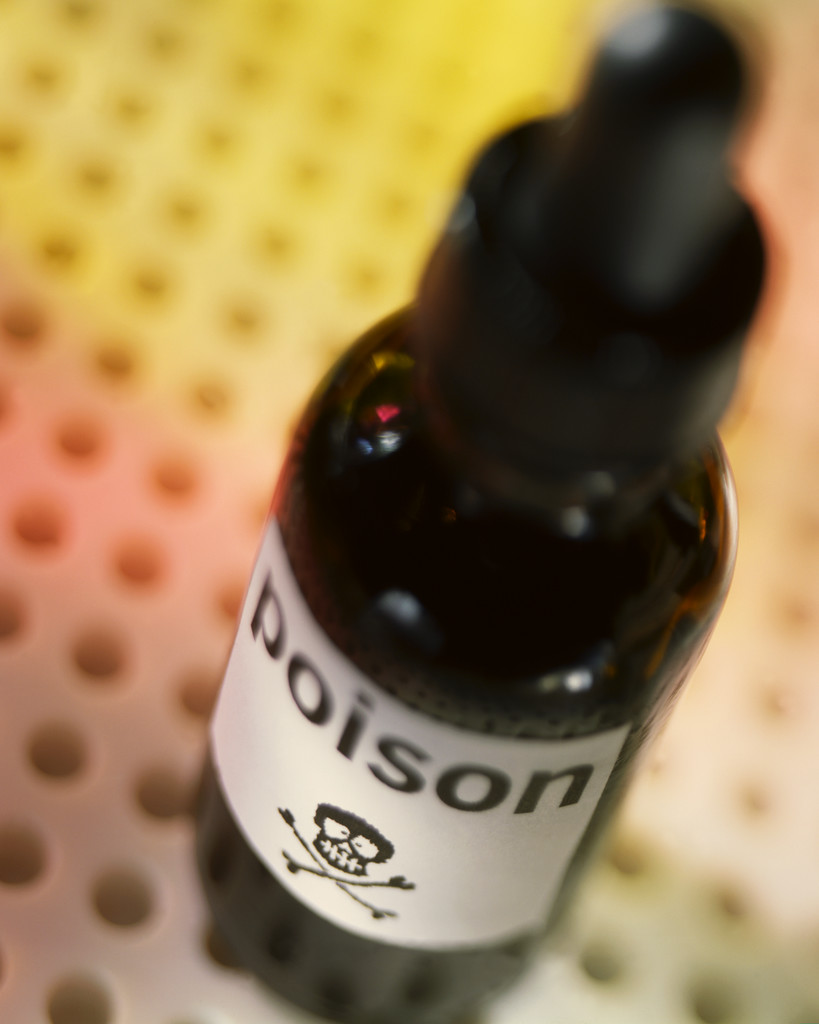 A hazardous materials accident can occur anywhere. Communities located near chemical manufacturing plants are particularly at risk. However, hazardous materials are transported on our roadways, railways and waterways daily, and nearly all households use products that contain hazardous materials, so any area is considered vulnerable to an accident.
Knowing how to handle dangerous chemical products and how to react during an emergency can greatly reduce the risk of injury.
For more information, click on the tabs below.
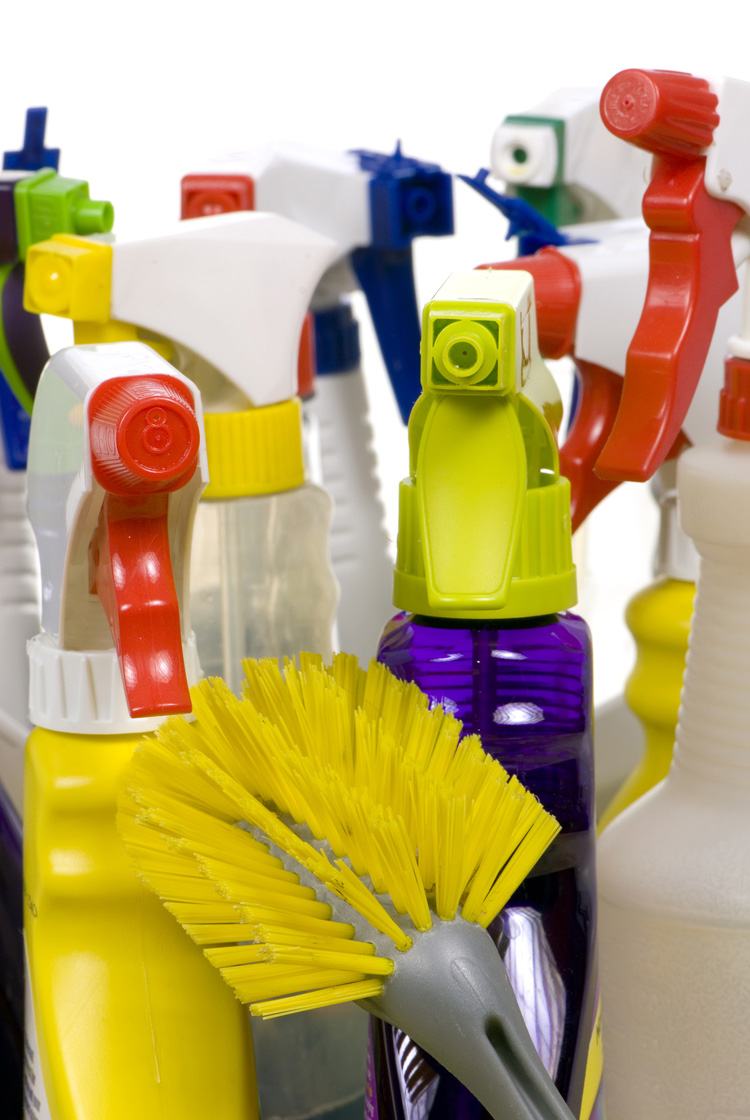 Household hazardous materials are found in most of our homes. They have labels that contain the following words: Caution, Danger, Poison, or Warning. You can safely use these items by adhering to the following:
- Store all household products according to the instructions on the label.
- Keep chemicals and medications out of reach of children.
- Never mix household chemicals together! They may react, ignite or explode. For example, mixing bleach with ammonia is very dangerous; doing so will release a toxic gas.
- Read instructions on how to dispose of chemicals properly.
- If possible, recycle or reuse leftover hazardous materials.
- Visit the Iowa Department of Natural Resources' website at www.SafeSmartSolutions.org for information on how to safely store and where to dispose of specific materials.
- Dispose of unused medication through the Iowa Pharmacy Association's TakeAway program. go to www.iarx.org/takeaway to find a participating pharmacy near you.
 |
 |
|---|
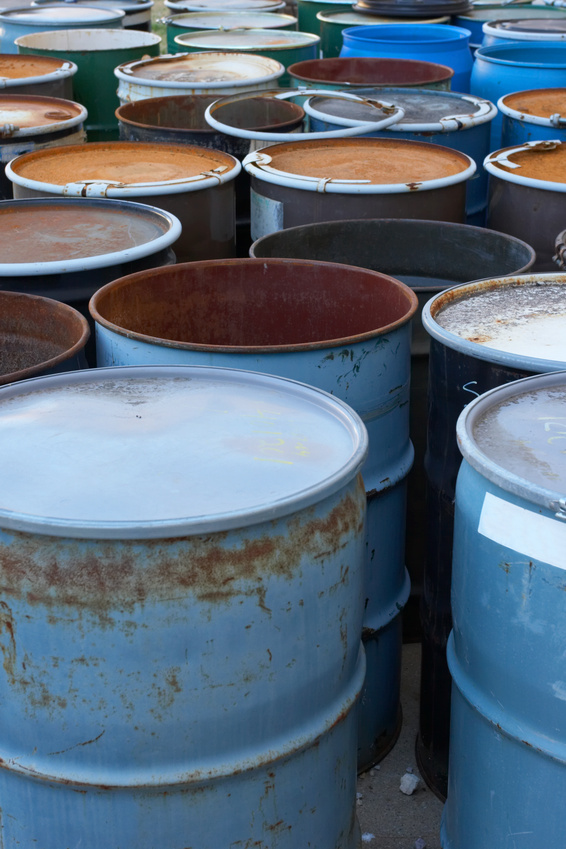
- Many hazardous materials do not have a taste or an odor. Some materials can be detected because they cause physical reactions such as watering eyes or nausea. Some hazardous materials exist beneath the surface of the ground and can be recognized by an oil or foam-like appearance.
- Put the number of the nearest poison control center near your phone (or program it into your mobile phone). Poison help is available by calling 1-800-222-1222 (Voice/TTY) 24 hours a day, seven days a week. Also find valuable information such as a poison control home packets, magnets, stickers, posters and brochures on the Iowa Statewide Poison Control Center website.
- Contact your Local Emergency Planning Committee (LEPC) or local emergency management office for information about hazardous materials and community response plans.
- Find out evacuation plans for your workplace and your children's schools.
- Be ready to evacuate. Plan several evacuation routes out of the area.
- Ask about industry and community warning systems.
- Have disaster supplies on hand.
- Develop an emergency communication plan.
- Learn to recognize the symptoms of toxic poisoning:
- Difficulty breathing
- Irritation of the eyes, skin, throat or respiratory tract
- Changes in skin color
- Headache or blurred vision
- Dizziness
- Clumsiness or lack of coordination
- Cramps or diarrhea
 If you hear a siren or other warning signal, turn on a radio or television for further emergency information.
If you are caught at the scene of an accident
- If you see an accident, call 9-1-1 or the local fire department to report the nature and location of the accident as soon as possible.
- Move away from the accident scene and help keep others away.
- Do not walk into or touch any of the spilled substance. Try not to inhale gases, fumes and smoke. If possible, cover mouth with a cloth while leaving the area.
- Stay away from accident victims until the hazardous material has been identified.
- Try to stay upstream, uphill and upwind of the accident.
If you are asked to stay indoors ("Shelter in place")
- Seal house so contaminants cannot enter.
- Close and lock windows and doors.
- Seal gaps under doorways and windows with wet towels and duct tape.
- Seal gaps around window and air conditioning units, bathroom and kitchen exhaust fans, and stove and dryer vents with duct tape and plastic sheeting, wax paper or aluminum wrap.
- Close fireplace dampers.
- Close off nonessential rooms such as storage areas, laundry rooms and extra bedrooms.
- Turn off ventilation systems.
- Bring pets inside.
- Immediately after the "in-place sheltering" announcement is issued, fill up bathtubs or large containers for an additional water supply and turn off the intake valve to the house.
- If gas or vapors could have entered the building, take shallow breaths through a cloth or a towel.
- Avoid eating or drinking any food or water that may be contaminated.
- Monitor the Emergency Alert System station for further updates and remain in shelter until authorities indicate it is safe to come out.
Assisting Accident Victims
- Don't try to care for victims of a hazardous materials accident until the substance has been identified and authorities indicate it is safe to go near victims. Then you can move victims to fresh air and call for emergency medical care.
- Remove contaminated clothing and shoes and place them in a plastic bag.
- Cleanse victims that have come in contact with chemicals by immediately pouring cold water over the skin or eyes for at least 15 minutes, unless authorities instruct you not to use water on the particular chemical involved.
Evacuation
Authorities will decide if evacuation is necessary based primarily on the type and amount of chemical released and how long it is expected to affect an area. Other considerations are the length of time it should take to evacuate the area, weather conditions, and the time of day.
If you are asked to evacuate
- Stay tuned to a radio or television for information on evacuation routes, temporary shelters, and procedures.
- Follow the routes recommended by the authorities; shortcuts may not be safe. Leave at once.
- If you have time, minimize contamination in the house by closing all windows, shutting all vents, and turning off attic fans.
- Take pre-assembled disaster supplies.
- Remember to help your neighbors who may require special assistance: infants, elderly people and people with special needs.
- Return home only when authorities say it is safe.
- Follow local instructions concerning the safety of food and water.
- Clean up and dispose of residue carefully. Follow instructions from emergency officials concerning clean-up methods.
